All topics

Percents

The jacket on sale. The seats that are full. Tax on the nachos.

PracticeSolution key

In plain words

A jacket is 20% off. Percent means per one hundred, so 20% is 20 out of 100. As a decimal that is 0.20. As a fraction it is 1/5. Same sale. Three ways to write it.

When finding a percent of an amount, multiply. For example, 20% of 80 is 0.20 × 80 = 16.

A raise adds on. New = original × (1 + the percent as a decimal). A 20% raise on $50 is 50 × 1.20 = $60.

A discount lowers a price. New price = original price × (1 − the percent written as a decimal). A 20% discount leaves 100% − 20% = 80% to pay, so $50 × 0.80 = $40.

Examples

Try it. Then open the steps.

Example 1 of 5

The markdown (a price cut)

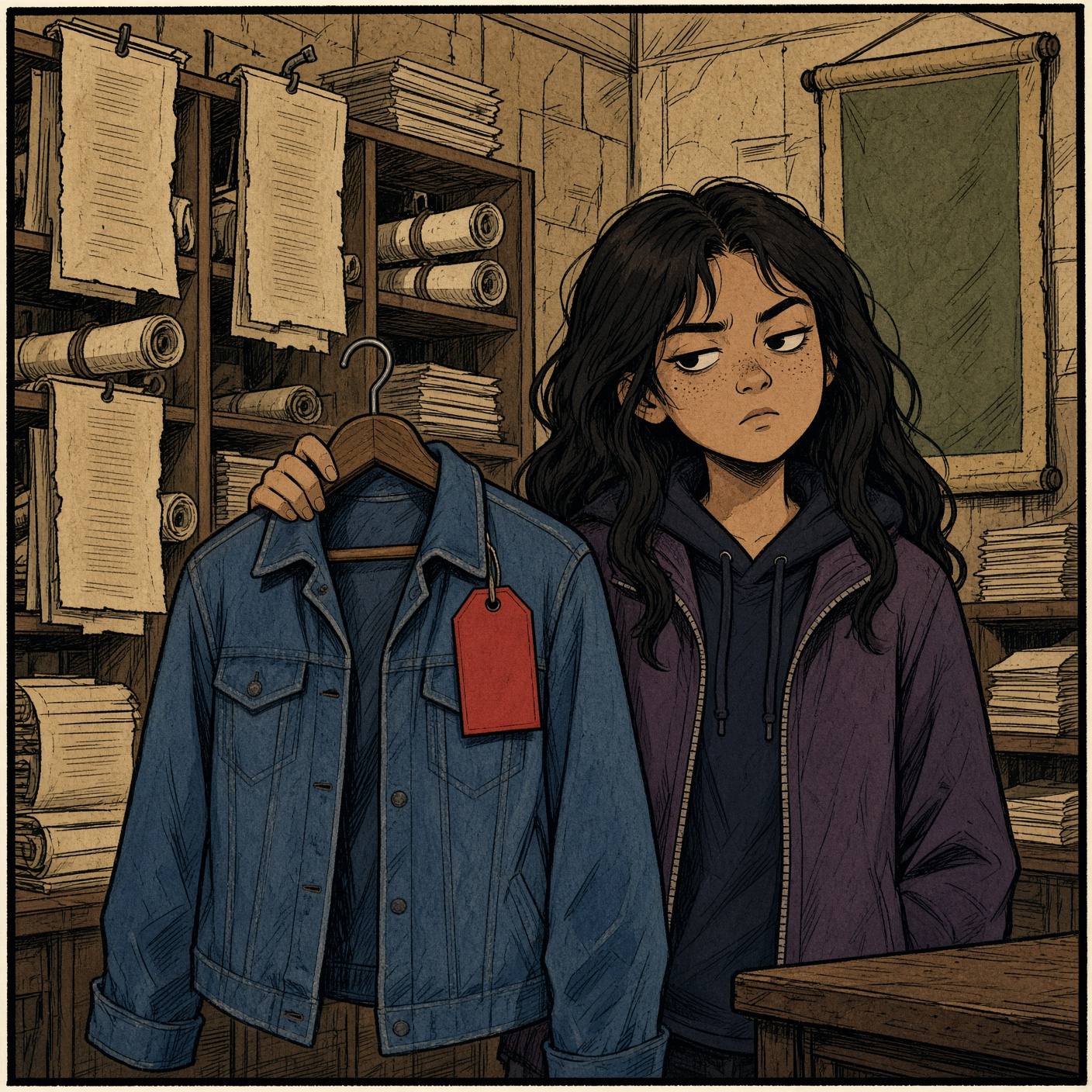
A jacket costs $80. It is 25% off. What is the sale price?

Example 2 of 5

The raise

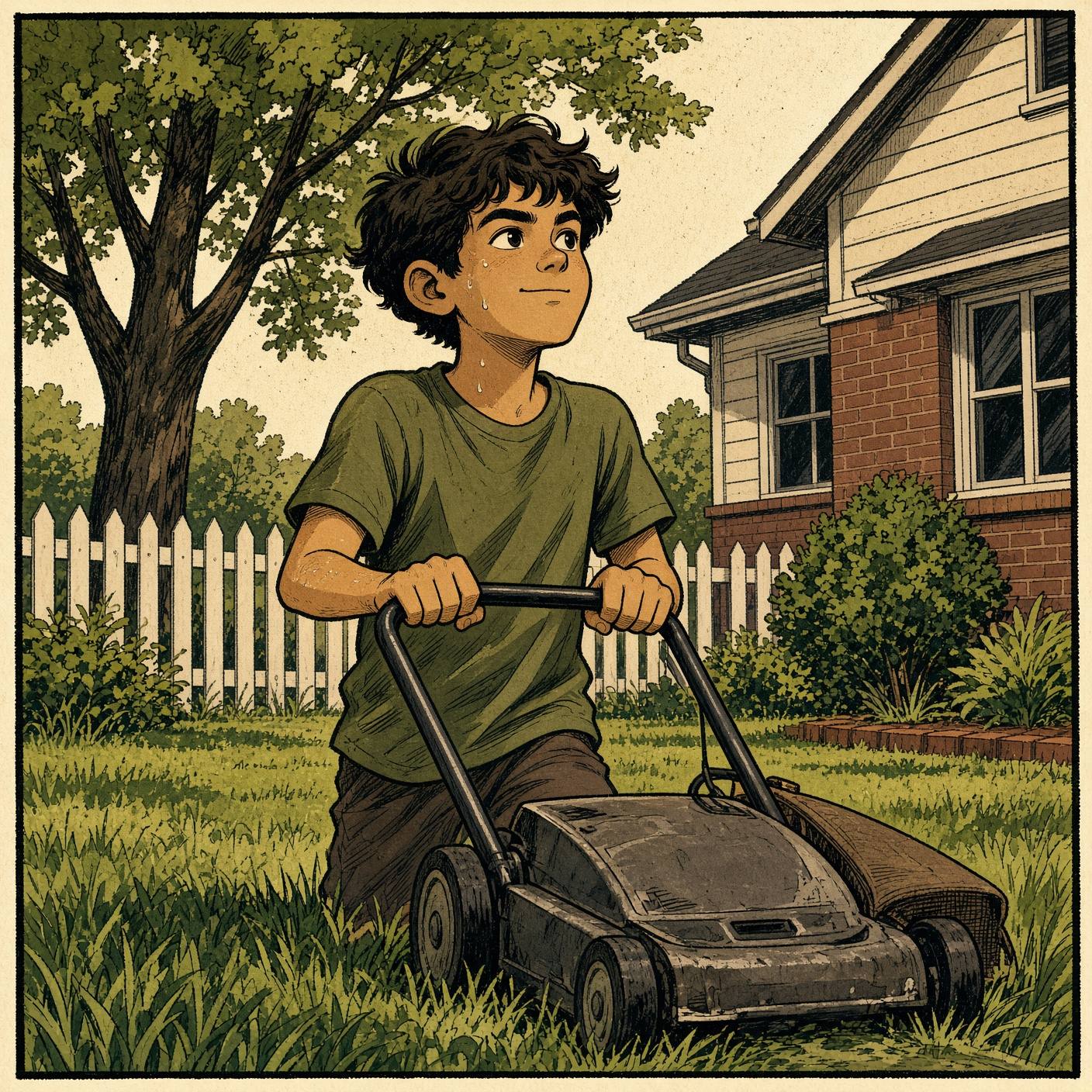
A lawn job paid $40. Next week it pays 15% more. What is the new pay?

Example 3 of 5

Find the percent

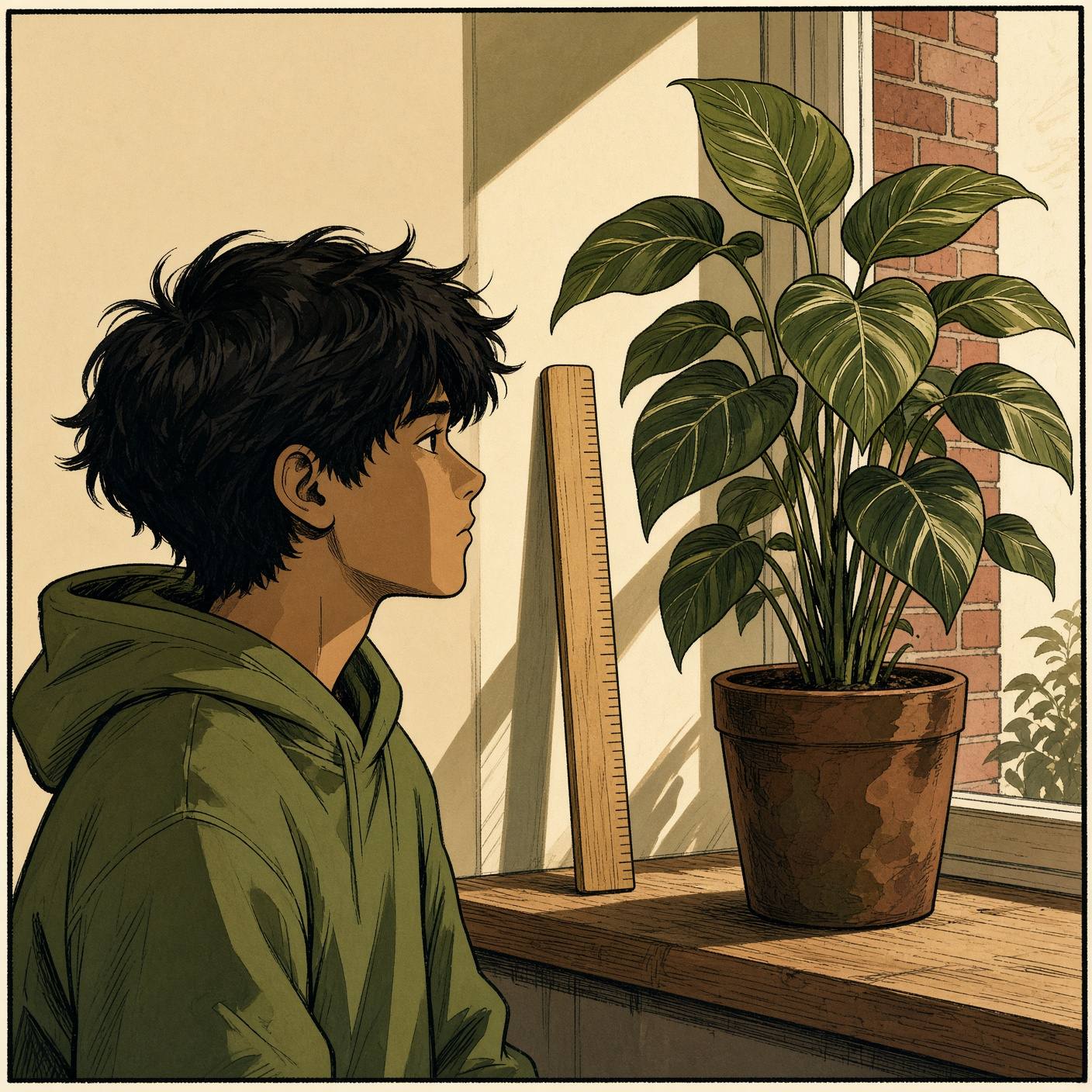
A plant grows from 50 cm to 65 cm. What is the percent increase?

Example 4 of 5

The mall jacket

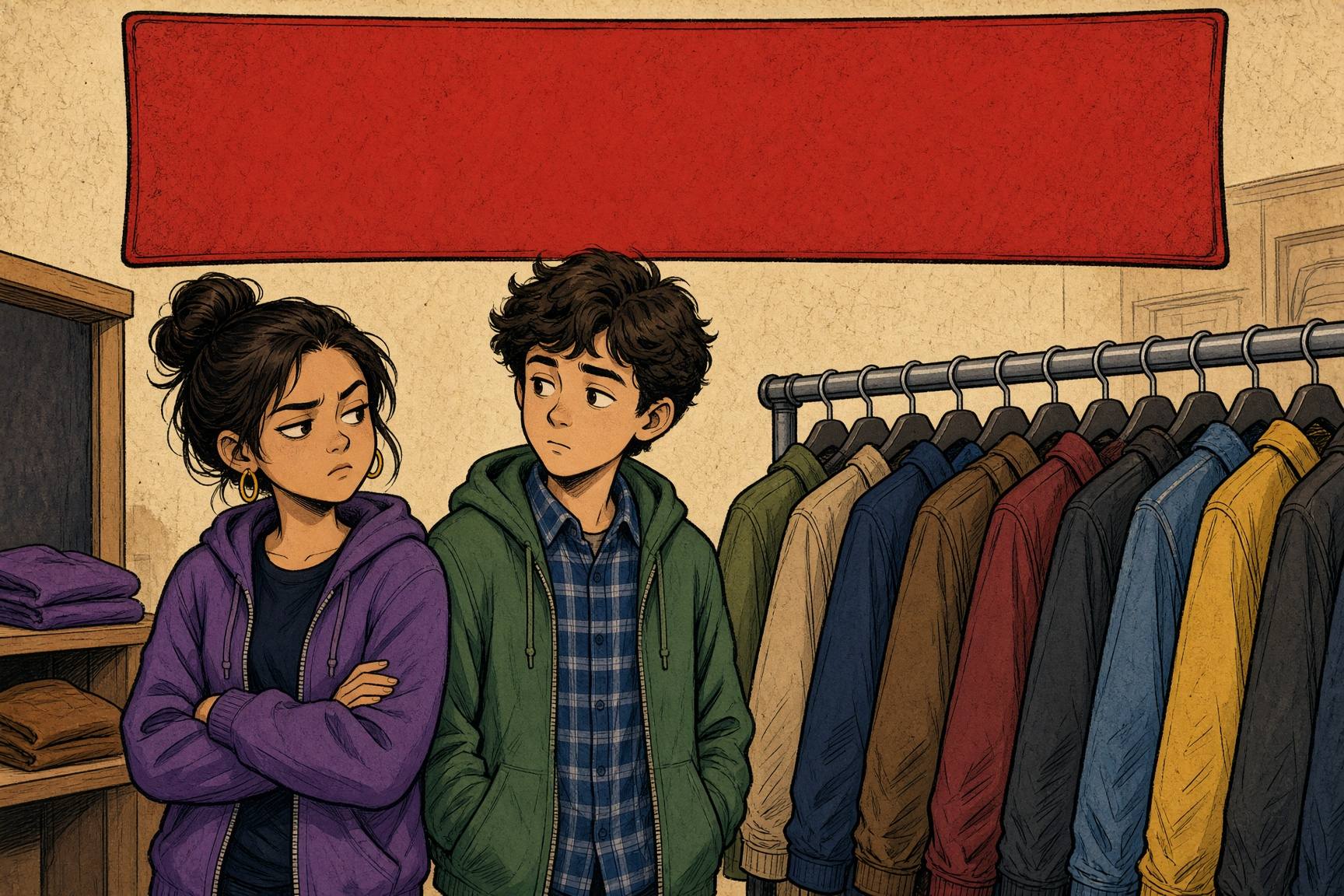
A big red SALE sign at the mall

A jacket is $60. It is 30% off. What is the sale price?

Example 5 of 5

The stadium crowd

Soccer, second half

The stadium holds 25,000 seats. 40% are filled. How many people are in the seats?

Things to watch for

  • Easy to miss: Using the final amount instead of the starting amount when finding percent change. Another trap is assuming two increases of 20% give a total increase of 40%.

    Do this: Percent change tells how large the change is compared with the starting amount. Divide the size of the change by the starting amount, then multiply by 100 to write the percentage. For a change from 80 to 60, the decrease is 20; 20 ÷ 80 = 0.25, which is 25%.

  • Easy to miss: Forgetting that 'of' means multiply.

    Do this: “Of” means multiply. 15% of 80 is 0.15 × 80.

26 problems · Camp, Trail, Summit