All topics

Volume

What fits in the box, and what it takes to wrap it.

PracticeSolution key

In plain words

Volume measures the space inside a three-dimensional shape. A rectangular cereal box is a rectangular prism. A prism has two matching, parallel polygon ends called bases; a polygon is a flat shape with straight sides. Its volume is base area × perpendicular height, the distance between the bases measured at a right angle. For a rectangular box, this is length × width × height. One cubic inch is the space in a cube that is 1 inch long, 1 inch wide, and 1 inch tall.

A pyramid has one polygon base and triangular faces that meet at a point. Its height is the perpendicular distance from that point to the base, not a sloping edge. A pyramid has one third the volume of a prism with the same base area and height: V = (1/3) × base area × height.

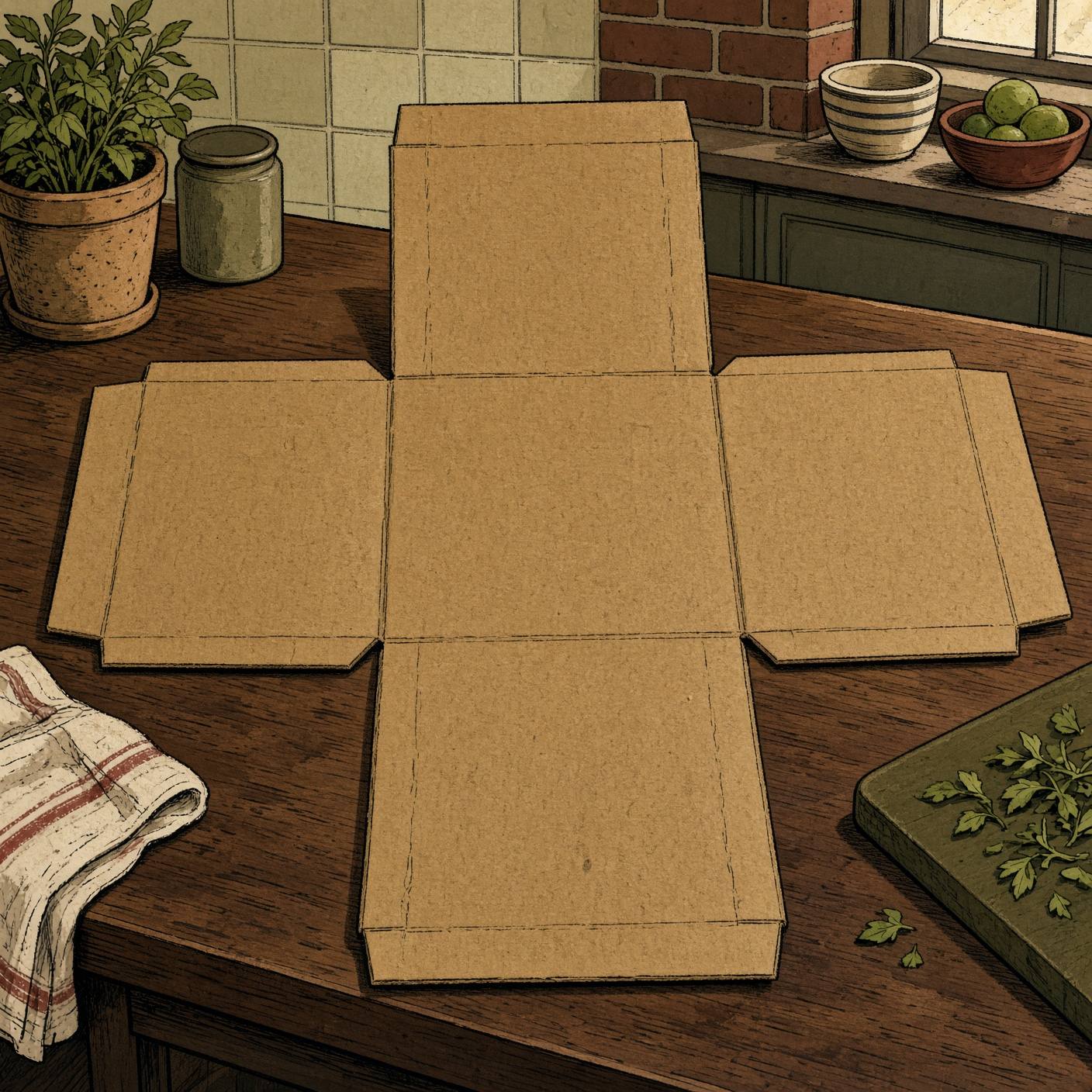
A net is a flat pattern of faces that can fold into a solid. Total surface area adds the areas of all the faces, like the paper needed to wrap a box without overlaps. Lateral surface area counts the side faces but leaves out the bases. A prism has two matching, parallel bases; a pyramid has one. Name the bases first, because turning the shape does not change which faces they are.


Examples

Try it. Then open the steps.

Example 1 of 5

The cereal box

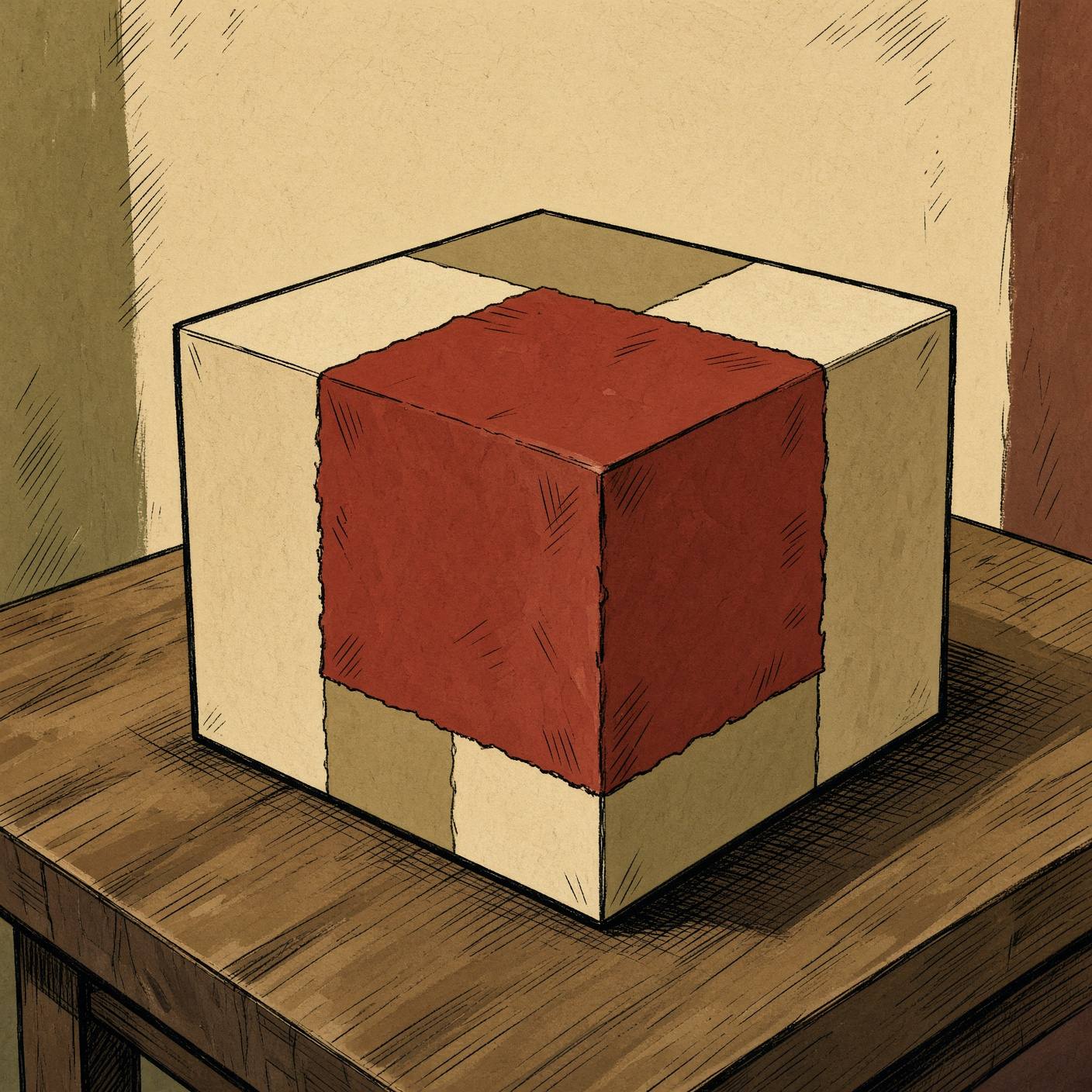
Breakfast, a rectangular box

A cereal box is 8 in by 4 in by 10 in. What is the volume?

Example 2 of 5

The tent

A triangular prism tent at the park

A tent is a triangular prism. The triangle base is 6 ft, the triangle height is 4 ft, and the tent is 10 ft long. Volume?

Example 3 of 5

The pyramid display

A stack of oranges in a pyramid at the grocery

A rectangular pyramid has base 6 by 5 and height 9. What is the volume?

Example 4 of 5

The net

A box unfolded on the table

A rectangular prism is 3 by 4 by 5. What is the total surface area?

Table. Columns: Faces, Area. Rows: 2 of 3 × 4, 24; 2 of 3 × 5, 30; 2 of 4 × 5, 40.
FacesArea
2 of 3 × 424
2 of 3 × 530
2 of 4 × 540

Example 5 of 5

Sides versus all of it

A rectangular prism is 2 by 3 by 4. The height is 4 (bases are 2 by 3). What is the lateral surface area? What is the total?

Things to watch for

  • Easy to miss: Using V = Bh for a pyramid, or using V = (1/3)Bh for a prism.

    Do this: Prism = whole Bh. Pyramid = one-third Bh. Same base, same height, the pyramid is the smaller one.

  • Easy to miss: Calling lateral area the total. Lateral skips the bases.

    Do this: Lateral = sides. Total = sides + bases. Look at the net and count every face you need.

24 problems · Camp, Trail, Summit